
How to Choose the Right Skip Hire Size for Any Type of Project
Choosing the correct size is one of the most important decisions you’ll make when planning any kind of waste-management project. Whether you’re a homeowner tackling renovations, a construction firm handling heavy debris, a business moving office, or a landscaper working on a large outdoor transformation, the right waste container can make the entire process smoother, safer, and more cost-effective. For readers searching online for skips near me, the advice shared here applies universally, helping you match sizes to your specific needs with ease.
Understanding capacity, project scale, and the type of waste you’ll be dealing with is crucial. Overestimating the size means wasting money on unused space, while underestimating can lead to overflowing waste, delays, and the additional cost of ordering a second container. This guide will help you strike the right balance and avoid those common pitfalls. Many customers also consider skip hire prices when comparing options, so selecting the appropriate size from the start ensures you get good value while keeping the project running smoothly.
If you’re looking for a reliable provider or comparing options to find cheap skip hire, knowing which size fits your project not only saves money upfront but contributes to overall convenience and safety. Choosing wisely prevents unnecessary trips, reduces labour, and helps maintain an organised site. No matter the size of your project, the right container plays a vital role in keeping everything manageable and efficient.
For customers working with a community-based provider, local skip hire services remain popular for their flexibility, quick turnaround, and familiarity with local regulations. With a clear understanding of project requirements, load capacity, waste types, and collection timing, selecting the correct size becomes a simple and stress-free part of your planning process.
Below, we break down the essentials into four clear subtopics to guide you through every stage of choosing the right skip size.
Understanding Skip Sizes and What They Are Best Used For
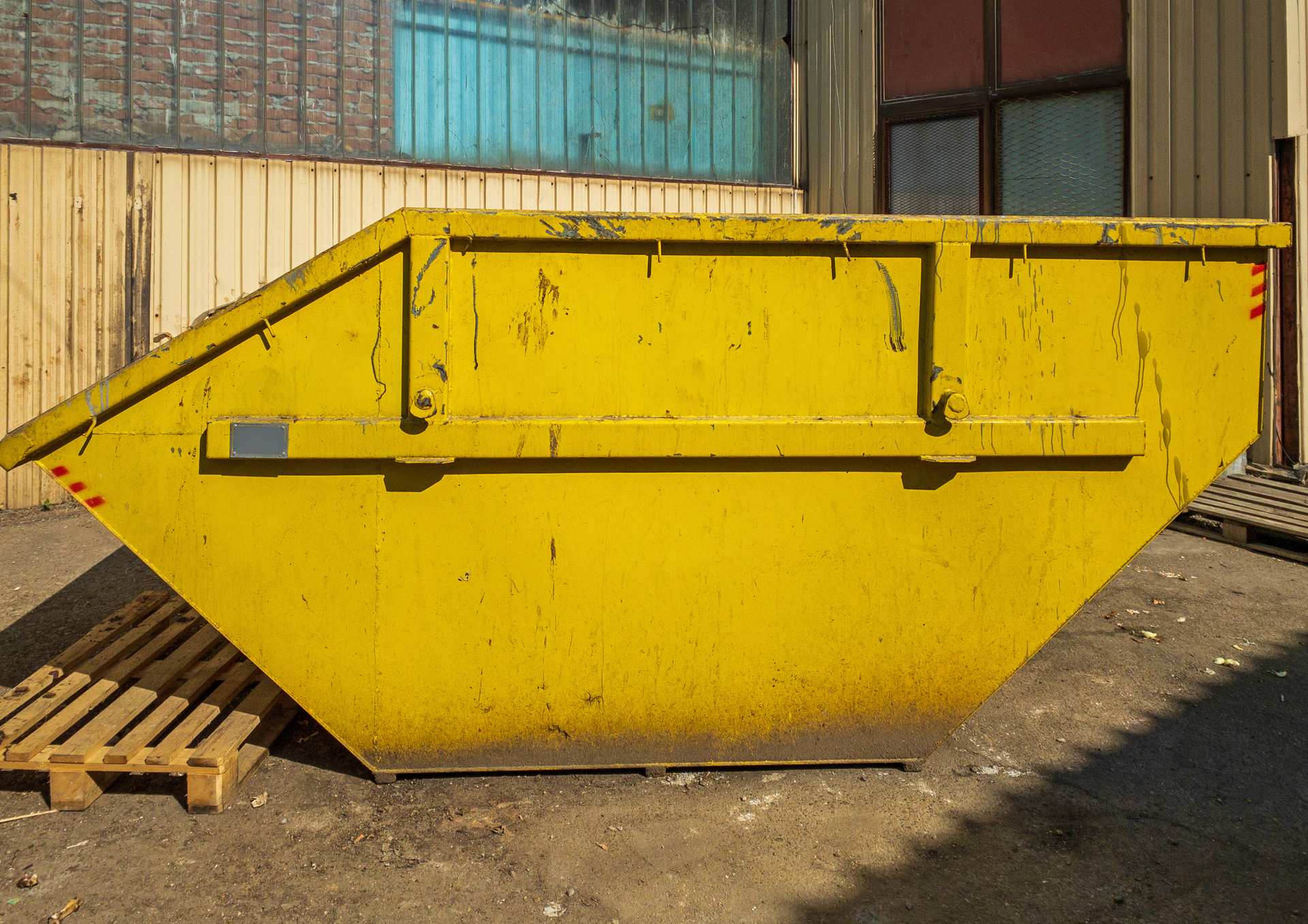
Skip hire sizes are generally measured in cubic yards, with each size suited to specific project demands. The smallest containers, usually around 2 to 4 yards, are designed for minor domestic tasks such as clearing out cupboards, decluttering a single room, or handling waste from small DIY projects. They’re compact, easy to position, and suitable for households with limited driveway space. These options offer an ideal starting point for customers who want simplicity without committing to larger sizes.
For medium-scale projects, such as bathroom or kitchen renovations, garden clearances, or disposing of moderate household waste, 6-yard and 8-yard skips are the most commonly used. They offer more room for bulkier items while still being manageable in residential areas. These sizes are regarded as all-rounders because they handle a variety of waste types, from wood and plasterboard to small appliances and light rubble, making them suitable for mixed-use projects.
Large-scale projects such as full-house renovations, construction work, and substantial commercial clearouts typically require 10-yard, 12-yard, or even 16 yard skips. These containers are designed to accommodate significant volumes of waste and prevent frequent changeovers, saving time and helping maintain an organised site. They’re particularly useful when clearing heavy furniture, large quantities of packaging, or waste generated during business relocations.
Selecting the right size at this stage helps you avoid project delays, ensures safety, and reduces the likelihood of overfilling. Choosing a container too small leads to multiple collections, while choosing one too large results in overspending. Understanding these measurements and their uses is a key first step in planning an effective waste-management strategy.
Matching Skip Sizes to Project Type and Waste Volume
Every project produces a different kind and volume of waste, which makes skip selection highly dependent on the nature of the job. Homeowners completing small-scale cleanouts, such as clearing spare rooms or disposing of old belongings before redecorating, typically find that a 2- or 4-yard skip is more than adequate. These sizes are also suitable for event organisers handling moderate amounts of general rubbish after small gatherings or temporary stands.
Those planning kitchen or bathroom refurbishments often produce heavier and bulkier debris than anticipated. Tiles, fittings, cabinets, and worktops all take up significant space, making a 6 yard or 8 yard skip a more practical choice. Landscapers working with soil, turf, branches, and garden waste also benefit from mid-sized options. These are large enough to accommodate green waste while remaining compact enough to position safely on driveways or within residential streets.
Construction companies managing demolition waste, concrete, metal, or brickwork should strongly consider larger containers, typically 10 yards and above. These projects generate high volumes of heavy materials, and using a smaller skip risks exceeding weight limits or requiring frequent replacements. Large containers also suit businesses disposing of furniture, shelving, stockroom waste, or materials linked to office relocations.
Understanding how different projects correlate with waste volume ensures that your skip selection is both efficient and cost-effective. This approach reduces downtime, prevents overflow, and ensures you get a container that matches your environment and workload.
Considering Access, Space, and Safety Restrictions
Before choosing a size, it’s essential to assess the available space where the skip will be placed. Residential driveways usually accommodate smaller or medium-sized skips comfortably, but larger options may require roadside placement. If a skip hire must be left on a public road, councils typically require a permit. This means planning in advance is important to avoid delays once your project is underway.
Access is equally important. Narrow lanes, tight corners, or restricted parking zones can limit the sizes available for delivery. Medium and large skips require more space for the delivery truck to manoeuvre, lower the container, and retrieve it safely. Evaluating these logistical considerations ensures there are no unexpected challenges on delivery day.
Safety plays a significant role too. Overfilled skips cause hazards, and waste must not protrude above the container’s fill line. Heavier materials such as bricks, soil, or concrete may only be suitable for certain sizes due to weight restrictions. Loading these into a skip too large or too small can not only delay the project but also violate safety regulations, resulting in costly issues.
By reviewing access points, space availability, and safety considerations early in your planning, you’ll set clear expectations and prevent complications during both delivery and collection. This ensures your skip choice supports smooth operations, particularly for businesses managing busy work sites or homeowners working on tight schedules.
Estimating Waste Accurately to Avoid Over- or Under-Ordering
One of the biggest challenges customers face is estimating how much waste their project will produce. It’s usually wiser to slightly overestimate rather than choose a container that’s too small, as underestimating can lead to overflow and the added inconvenience of arranging a second collection. While managing costs is important, selecting the right skip hire size from the outset helps prevent delays, avoids repeat orders, and keeps the entire project running smoothly.
A helpful strategy is to review your project plan and identify all areas where waste may accumulate. For example, homeowners completing a renovation should consider cupboards, fixtures, plasterboard, carpets, underlay, old furniture, and packaging from new materials. Businesses relocating offices should account for dismantled desks, shelving units, electronics, cables, and general waste generated during packing.
Construction professionals are usually well-equipped to estimate waste volume, but even the most experienced teams can underestimate when working on older buildings with hidden layers of materials. Landscapers face similar challenges, as soil, roots, stones, and branches can accumulate quickly and take up unexpected space.
When in doubt, choose the next size up. This keeps your site tidy, reduces the number of collections required, and ensures that your project runs efficiently from beginning to end. A properly sized container supports waste-separation processes and minimises risk, improving safety and convenience for your entire team.
Skip Hire Carlisle is committed to providing dependable, cost-effective, and professional waste-management solutions for projects of every size. We offer a wide selection of
skip sizes, flexible delivery schedules, and friendly support to help you make informed decisions from the start. Our team prioritises safety, clear communication, and responsible waste disposal to ensure your project runs smoothly from the moment the skip arrives until collection.
New update on X: How to choose the right
skip hire size for any type of project!
You might also like