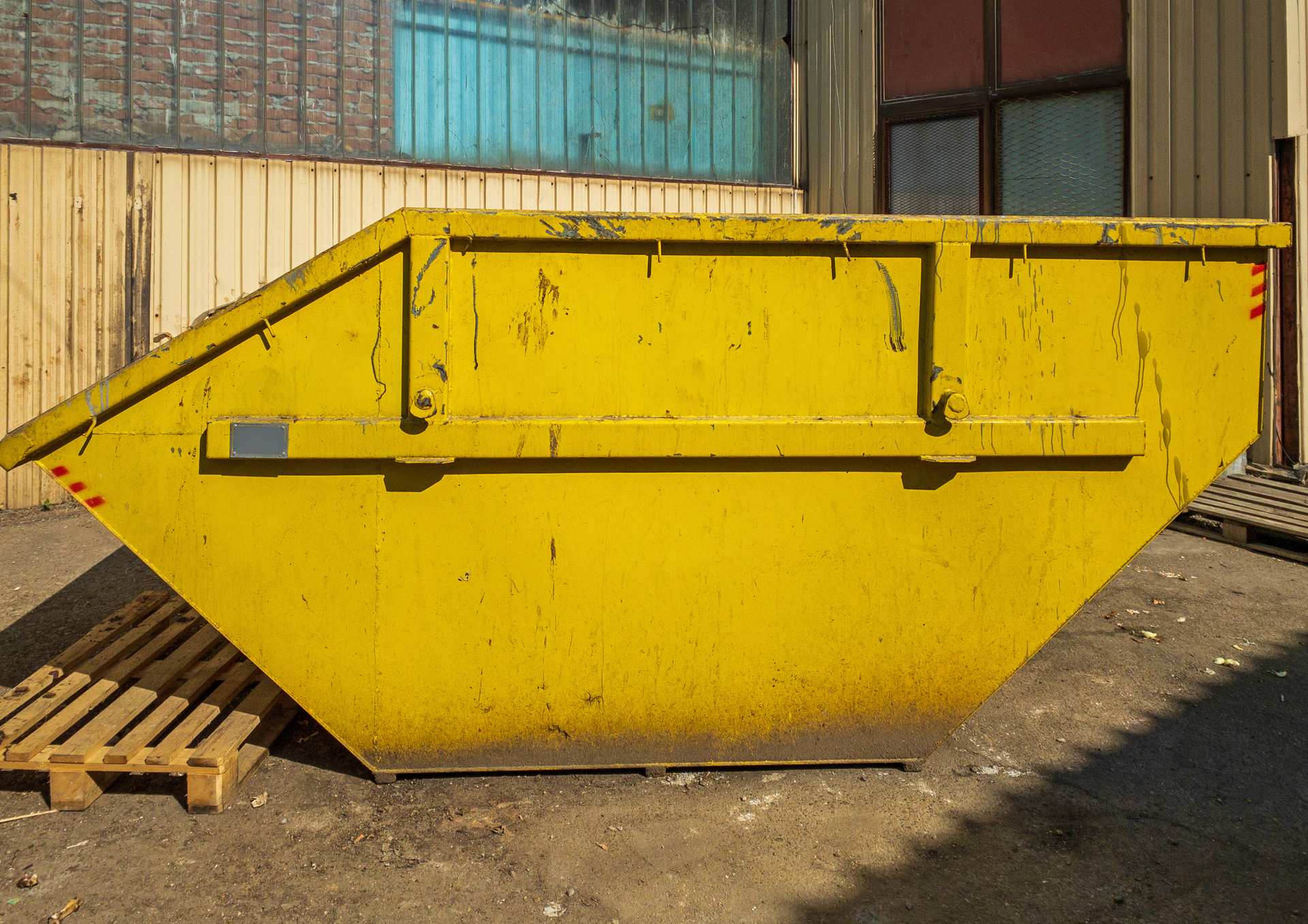

Local Skip Hire for Clearing Waste After a Property Renovation
Renovating a property can transform how a home or commercial building looks, feels and functions, but the work can also produce a considerable amount of unwanted material. Old fixtures, damaged timber, packaging, flooring, broken units and general debris can quickly occupy valuable working space. Arranging local skip hire provides a practical way to keep these materials contained while allowing renovation work to continue in a more organised environment.
Waste requirements can differ considerably depending on the scale and nature of the project. A small bathroom refurbishment may produce relatively manageable quantities, while a complete property renovation can generate waste over several stages. Homeowners, landlords, surveyors, local authorities and those responsible for residential or commercial properties therefore benefit from considering waste management before work begins rather than dealing with everything once the site becomes cluttered.
Planning ahead also makes it easier to consider access, placement and collection requirements. Properties in Carlisle can range from homes on residential streets to commercial premises and buildings with more restricted access. Similar considerations apply wherever a project is taking place. Looking carefully at the site, expected materials and working schedule can make waste removal a straightforward part of the renovation rather than an inconvenience that interrupts progress.
Planning Waste Removal Around Different Renovation Stages
Renovations rarely produce all their waste at once. Materials tend to accumulate as different stages of the work are completed, from the initial strip-out through to final decorating and finishing. Planning disposal around these stages can make the working environment easier to manage and prevent unwanted materials from taking over areas needed by contractors, occupants or equipment.
Initial Strip-Out
- Removing old kitchen units, bathroom fittings, flooring and non-essential fixtures can create a large volume of material at the beginning of a project.
- Identifying what needs removing before work starts gives a clearer indication of the capacity that may be required.
- Separating reusable items before disposal can also prevent useful materials from being unnecessarily discarded.
Structural and Building Work
- Alterations may produce timber, masonry, plasterboard and other construction-related materials that need suitable handling.
- Heavy or bulky waste should be considered when choosing the appropriate container and planning how it will be loaded.
- Keeping debris contained can provide contractors with clearer working areas and improve access around the property.
Installation and Refurbishment
- New kitchens, bathrooms, flooring and other fittings frequently arrive with cardboard, wrapping and protective packaging.
- Removing packaging regularly prevents it from accumulating alongside building materials.
- An organised disposal area makes it easier to distinguish between new materials that are still required and items ready for removal.
Finishing Work
- Decorating and final improvements can still produce offcuts, packaging and miscellaneous debris even after major construction work has finished.
- Keeping disposal arrangements available until the appropriate stage can help avoid a final pile of unwanted material.
- Customers searching for local skips near me may find it useful to consider the complete renovation timetable before deciding when delivery and collection should take place.
By considering each phase separately, property owners and project managers can create a waste plan that reflects how the renovation will actually progress. This is particularly helpful on longer projects where available space may change as rooms are completed and different trades move through the property.
Matching Waste Arrangements to the Property and Project
Every renovation presents different practical challenges. The appropriate waste solution for a detached house with a private driveway may be very different from the arrangement required for a terraced property, flat, shop or commercial premises. Looking at the characteristics of the site before booking can therefore prevent difficulties when delivery takes place.
Available space is one of the first considerations. A private driveway or suitable area within the property boundary can make placement relatively straightforward, provided there is sufficient access for the delivery vehicle. Where private space is limited, customers may need to consider other appropriate arrangements and determine whether additional requirements apply before delivery.
The volume of material expected should also be assessed realistically. It can be tempting to underestimate waste, particularly when a renovation is still at the planning stage. Old cupboards, worktops, flooring and dismantled fixtures often occupy more space once removed than they appeared to take up when installed. Allowing for this difference can help customers select capacity more accurately.
The nature of the materials is equally important. Renovation waste can include a combination of bulky, lightweight and heavy items, and not every material should automatically be treated in the same way. Asking what can and cannot be placed in the container before work begins helps avoid confusion once disposal is underway.
Access should remain practical throughout the project. A container positioned conveniently for loading should not unnecessarily obstruct doors, gates, essential parking areas or routes required by tradespeople. Thinking about how the site will operate over the entire hire period is more useful than considering delivery day alone.
For larger projects, local skips can form part of a planned approach in which waste is managed alongside the different stages of refurbishment. This can be particularly useful for landlords preparing properties between occupancies, surveyors overseeing works, local authorities responsible for buildings and businesses refurbishing operational premises.
Weather and changing site conditions should also be considered. Renovation schedules can move because of material deliveries, contractor availability or unexpected work discovered after the project begins. Keeping communication clear with the waste provider can make it easier to respond appropriately when circumstances change.
Choosing an Appropriate Size and Keeping the Site Organised
Selecting suitable capacity can influence both the efficiency of waste removal and the organisation of the wider project. A container that is too small may fill before the relevant stage of work is complete, while unnecessarily large capacity can occupy more space than the property comfortably allows. Careful estimation before booking helps create a more practical arrangement.
Smaller Property Improvements
- Single-room refurbishments, decorating work and modest clearances may generate relatively limited quantities of material.
- Customers should consider bulky items as well as smaller debris when estimating how much space will be required.
- Breaking down suitable materials can sometimes make more effective use of available capacity.
Medium Renovation Projects
- Kitchen replacements, bathroom refurbishments and multi-room improvements can produce a mixture of fixtures, packaging and building debris.
- Waste should be loaded carefully rather than simply thrown into the available space without consideration.
- Keeping the surrounding area clear makes it easier for tradespeople to move equipment and materials through the property.
Larger Renovations
- Extensive refurbishments may involve several rooms, structural alterations or significant removal of existing fittings.
- Waste requirements should be reviewed as the work progresses rather than assuming the original estimate will remain accurate.
- Where several stages are involved, planning collection at an appropriate point can prevent a full container from restricting later work.
Maintaining an Orderly Site
- Designating a clear route between the work area and disposal point can reduce unnecessary movement through finished parts of the property.
- Materials should remain within the permitted loading level and should not create avoidable hazards around the container.
- Well-planned local skip hire can support a cleaner working environment by giving unwanted materials a defined place throughout the relevant stage of the renovation.
Good organisation is particularly important where properties remain occupied during improvement work. Keeping waste contained can help separate the renovation area from spaces that residents, tenants or staff still need to use. Similar planning benefits commercial properties where normal activities may continue around the refurbishment.
Comparing Providers Beyond the Initial Quotation
Price naturally matters when budgeting for a renovation, but it should not be the only consideration when choosing a waste provider. The service needs to fit the project schedule, property access and expected volume of material. A quotation that initially appears attractive may offer poor overall value if the arrangements do not suit the work being carried out.
Clear communication is one useful indicator. Customers should be able to understand what is included, how delivery will be arranged and what happens when the container is ready for collection. Knowing these details before booking reduces the likelihood of misunderstandings once renovation work is underway.
Availability is another practical consideration. Property projects frequently involve several trades working to an agreed programme, and delays in one area can affect everything that follows. Waste arrangements should therefore be considered alongside contractor schedules and material deliveries rather than treated as a completely separate task.
Collection procedures also deserve attention. Some customers know approximately when their work will finish, while others may have a more flexible schedule. Understanding how collection is requested and what information needs to be provided makes it easier to plan the final stages of the project.
Responsible waste handling should form part of the comparison as well. Renovation debris can contain several different material types, and customers should feel comfortable asking how waste is managed after collection. Straightforward answers provide greater confidence that disposal is being approached appropriately.
When comparing local skip companies, it is therefore sensible to consider communication, practical guidance, delivery arrangements, collection procedures and suitability for the property rather than focusing entirely on the initial figure. A provider that understands the requirements of a renovation can make waste management considerably easier throughout the project.
For properties in Carlisle, local familiarity can also be useful when discussing access and placement. Residential streets, commercial areas and properties with restricted entrances can all require different approaches. The same principle applies in any location: understanding the practical circumstances surrounding the property contributes to more organised delivery and collection.
Renovation waste is easier to manage when disposal is considered as part of the project from the beginning. Assessing the expected materials, choosing suitable capacity and deciding where waste can be positioned all help create a more organised working environment. These considerations are relevant whether the project involves improving one room, refurbishing a rental property, updating commercial premises or carrying out extensive building work.
A well-planned local skip hire arrangement can support each stage of the renovation without allowing unwanted materials to dominate the site. It also gives homeowners, landlords, surveyors, local authorities and property managers a clearer process for dealing with waste as work progresses.
The most appropriate solution will depend on the property, available access, project duration and quantity of material being removed. Taking time to consider these factors before booking can reduce disruption and make it easier for everyone involved to concentrate on the renovation itself. Clear communication with the chosen provider remains important throughout, particularly if schedules or waste requirements change as previously hidden areas of the property are opened up.
Ultimately, effective waste planning is not simply about removing rubbish at the end of a project. It is about maintaining an organised site from the initial strip-out through to the final stages, making the entire renovation easier to manage.
Skip Hire Carlisle provides practical information and straightforward support for customers arranging waste removal for residential and commercial projects. We understand that property renovations can vary considerably in scale, access and duration, so our website is designed to help visitors consider the important factors before making arrangements.
Whether you are a homeowner improving your property, a landlord preparing accommodation, a surveyor overseeing refurbishment work, a local authority managing premises or a business updating commercial space, our focus is on making the process easier to understand. We provide useful guidance around capacity, placement, project planning and responsible waste management without unnecessary complexity.
Our approach centres on clear information and sensible preparation so that customers can make decisions suited to their individual project. By considering the type of renovation, expected waste volumes and site conditions in advance, visitors can approach waste removal with greater confidence and keep their project organised from beginning to completion.
Check out our latest X update on how
local skip hire can make clearing waste after a property renovation simpler and more organised!
You might also like