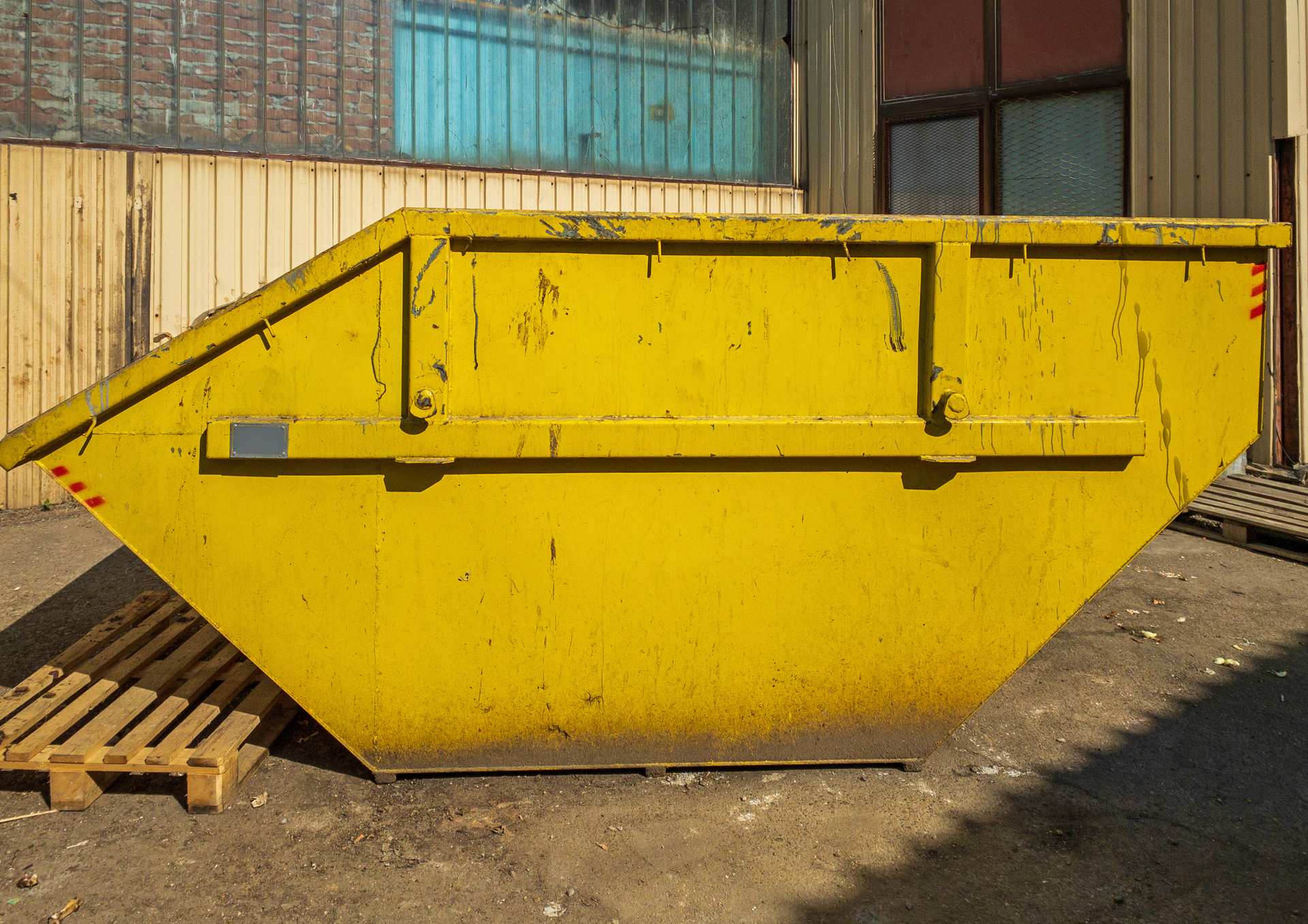

How Different Waste Types and Skip Sizes Can Affect Skip Hire Prices
Managing waste effectively requires more planning than simply choosing a container and arranging delivery. The amount of rubbish produced, the materials being discarded, the size of the container required and the length of the project can all influence the overall arrangements. Understanding these factors can make it easier to compare skip hire prices and select an option that provides practical value without paying for capacity or services that are not needed.
This is relevant to a wide range of projects. Homeowners may need waste removal when clearing a loft, renovating a kitchen or improving a garden, while landlords may require a practical solution between tenancies or during property maintenance. Surveyors and local authorities can have different requirements again, particularly when coordinating larger works or managing multiple sites. Commercial properties may generate substantial volumes of waste during refurbishments, office clearances and building projects.
In Carlisle and elsewhere across the UK, careful preparation can help customers make more informed choices. Estimating the quantity of waste, understanding what materials will be discarded and considering where the container will be positioned are useful starting points. Taking these matters into account before booking can reduce uncertainty and help ensure the chosen service is suitable for the scale and nature of the work.
How Different Waste Types Can Influence Your Requirements
Waste is not always treated in the same way. A household clearance can produce very different materials from a landscaping project or commercial refurbishment, and understanding these differences is useful when planning disposal. The contents of a container can influence handling requirements, available capacity and the arrangements required once it is collected.
General Household Waste
- Household clearances may produce furniture, packaging, old household items and miscellaneous rubbish.
- Separating reusable or recyclable items before filling the container can reduce unnecessary waste.
- Customers should check which materials are accepted before beginning a clearance.
- Estimating the volume in advance makes it easier to avoid selecting a container that is unnecessarily large.
Garden and Landscaping Waste
- Garden projects can generate soil, branches, leaves, hedge cuttings and other bulky materials.
- Green waste may occupy considerable space even when individual items are relatively lightweight.
- Cutting larger branches and vegetation into manageable pieces can help make better use of the available capacity.
- Soil and other dense materials require additional consideration because weight can become significant before the container appears full.
Renovation and Building Materials
- Refurbishment work can produce timber, tiles, bricks, plasterboard, old fittings and other construction materials.
- Heavy materials need to be considered carefully when deciding on an appropriate container.
- Certain materials may need to be kept separate rather than mixed with general rubbish.
- Discussing the expected contents with the provider beforehand helps prevent problems during collection.
Commercial and Office Waste
- Commercial clearances may include shelving, furniture, packaging and materials removed during refurbishment.
- Businesses should estimate waste quantities based on the scale and duration of the work.
- Staged clearance can be useful where a project continues over several days or weeks.
- Comparing skip prices should include consideration of the service provided as well as the container itself.
Understanding the type of waste before booking can therefore make the whole process easier. Customers who can explain what they expect to dispose of are better placed to receive appropriate guidance and avoid choosing an unsuitable option.
Why Skip Size Matters When Planning Waste Removal
Container size has a direct relationship with how efficiently waste can be managed. Choosing something too small may mean it fills sooner than expected, potentially requiring another collection and replacement. Choosing something substantially larger than necessary can mean paying for unused capacity and occupying more space at the property than the project requires.
Small containers can be particularly useful for minor household jobs where the amount of rubbish is reasonably predictable. A cupboard clearance, small decorating project or modest garden tidy may not justify a large container. Compact options can also be easier to accommodate where driveway or site space is restricted.
Medium sizes suit many common residential projects. Kitchen improvements, bathroom renovations, larger garden clearances and general decluttering can create more waste than homeowners initially expect. Estimating the likely volume before work starts can help determine whether a medium option offers enough capacity without being excessive.
Larger containers become more relevant for substantial renovations, property clearances and commercial work. They provide greater capacity, but customers should still consider what materials will be loaded. A large volume of lightweight waste creates different practical requirements from a container filled with dense construction materials.
People searching for cheap skip hire should therefore avoid judging value solely by the lowest advertised figure. A slightly larger or more suitable option may prove more economical if it prevents the need for another booking, while a smaller container may offer better value when the project produces only limited waste.
Available space is another important factor. Before arranging delivery, customers should consider driveway dimensions, gates, parked vehicles, overhead obstacles and access for the delivery vehicle. A container needs to be positioned where it can be loaded conveniently without unnecessarily interfering with normal access to the property.
For commercial sites, planning may need to consider staff access, customer areas, deliveries and other contractors. Positioning waste containers strategically can help maintain efficient movement around the site and prevent waste management from interfering with other work.
The objective is not automatically to select the largest available option. Instead, the best choice is usually the one that provides enough capacity for the expected materials while remaining practical for the site and the project schedule.
Practical Ways to Choose the Most Suitable Skip Size
Choosing an appropriate size becomes easier when the project is considered as a whole rather than focusing only on the rubbish currently visible. Waste volumes can increase considerably once cupboards are removed, rooms are stripped out or outdoor work begins, so allowing for the complete project is important.
Assess the Full Project
- Consider every stage of the planned work rather than estimating waste from the first task alone.
- Think about items that will be removed later, including fittings, flooring, furniture or garden materials.
- For larger projects, discuss likely waste quantities with contractors before making a booking.
- Avoid assuming that bulky objects will fit easily simply because there are only a few of them.
Consider the Available Space
- Measure the proposed placement area before choosing a container.
- Check whether gates, walls, parked vehicles or other obstacles could restrict access.
- Leave sufficient room for loading throughout the project.
- Consider whether the chosen position could interfere with residents, customers, contractors or routine property access.
Think About Weight as Well as Volume
- Bricks, rubble, soil and similar materials can become heavy even when they occupy relatively little space.
- Lightweight bulky items can fill a container quickly without creating the same weight considerations.
- Explain the expected materials when requesting guidance.
- Do not rely on visual volume alone when estimating requirements for building or landscaping projects.
Compare the Complete Arrangement
- Check what the quoted service includes rather than focusing solely on the headline amount.
- Consider delivery, collection and expected hire duration when comparing options.
- Ask about arrangements if the project takes longer than originally planned.
- When reviewing skip hire prices near me, compare suitability and service alongside the amount quoted.
Taking a few minutes to assess these categories before booking can reduce the likelihood of choosing an unsuitable size. It can also help customers provide clearer information when discussing their requirements with a local provider.
Other Factors That Can Affect the Overall Price
Although waste type and container size are important, they are not the only considerations. The duration of the hire, delivery arrangements, property access and location can all contribute to the final quotation. Understanding these factors makes comparisons between different services more meaningful.
Hire duration is particularly relevant for projects without a fixed completion date. A weekend household clearance may be completed quickly, whereas renovation or commercial work can continue for considerably longer. Knowing approximately how long the container will be needed allows the provider to explain the available arrangements before the booking is confirmed.
Location and accessibility also matter. A straightforward driveway delivery may require different planning from a restricted residential street or busy commercial property. In Carlisle, as in other towns and cities, road layouts, parking conditions and available space can vary significantly between properties. Providing accurate access information when booking helps the delivery team prepare appropriately.
Placement is another consideration. Where there is enough private space, such as a suitable driveway or commercial yard, positioning may be relatively straightforward. If private space is unavailable, customers should establish what arrangements or permissions may be necessary before delivery. Planning this early can prevent avoidable disruption when the container is due to arrive.
Collection requirements should also be considered. Some projects have a clear finish date, while others develop gradually. Customers should understand how collection is arranged and what they need to do when the container is ready to be removed. Clear communication can be particularly useful for landlords, surveyors and commercial property managers coordinating several contractors or stages of work.
The overall skip hire cost should therefore be considered in relation to the complete service. A clear quotation that reflects the correct size, expected duration, waste type and delivery circumstances provides a more useful basis for comparison than an attractive headline figure that does not match the actual project requirements.
Good preparation also reduces the chance of changing arrangements later. Measuring the site, estimating waste, discussing materials and considering the project timetable can all contribute to a more straightforward booking. Understanding the relationship between waste type, container capacity and project requirements makes it much easier to compare skip hire prices fairly.
Skip Hire Carlisle provides practical waste management support for customers undertaking domestic, commercial and property-related projects across Carlisle and the surrounding area. We understand that selecting a suitable container can sometimes be difficult, particularly when the amount or type of waste is uncertain, so our approach focuses on clear information and straightforward guidance.
We help customers consider factors such as expected waste volume, material type, available placement space and project duration before making their choice. This can be useful for anything from household and garden clearances to renovation work, landlord property maintenance and larger commercial projects.
Our focus is on making the booking process easy to understand while helping customers choose an option appropriate to their individual requirements. We also provide clear information about skip hire prices, allowing customers to consider suitable options alongside the practical requirements of their project. Clear arrangements for delivery and collection can help keep work organised and reduce unnecessary disruption around the property or site.
For customers looking for reliable waste removal, we aim to provide a practical service built around careful planning, suitable options and clear communication from the initial enquiry through to collection.
Check out our latest X update exploring how different waste types and skip sizes can affect
skip hire prices!
You might also like