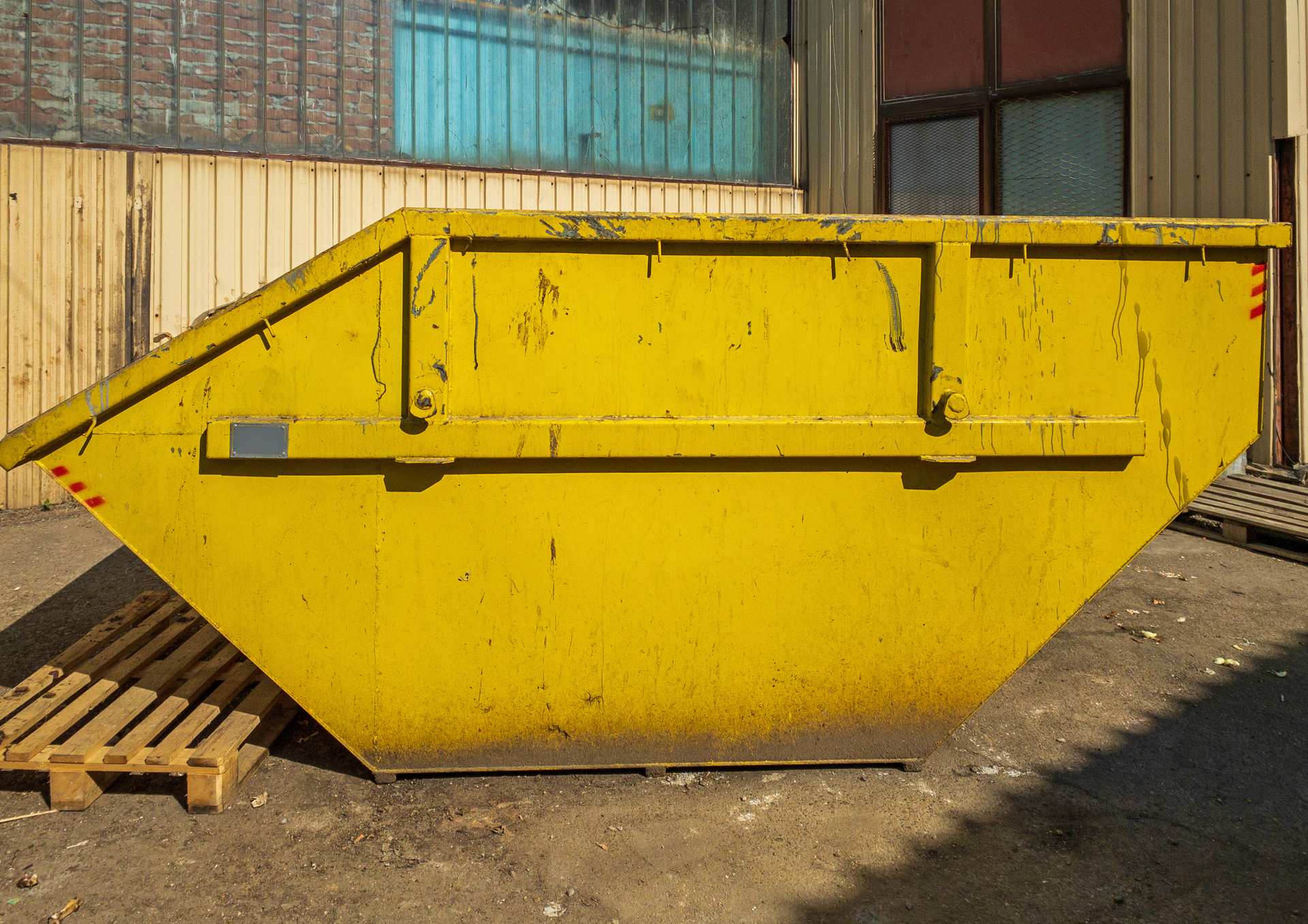

Smart Ways to Find the Cheapest Skip Hire for Your Upcoming Project
Planning a clearance, renovation or building project involves several practical decisions, and waste removal is one that can have a noticeable effect on the overall budget. Finding the cheapest skip hire is not simply about choosing the lowest advertised figure. Good value also depends on selecting the correct skip, understanding what is included in the quotation and arranging delivery and collection around the needs of the project.
For homeowners, landlords, surveyors and local authorities, effective waste management can make projects easier to organise from beginning to end. The same applies to residential and commercial properties, where accumulated materials can occupy valuable space and interfere with ongoing work if disposal has not been planned properly.
In Carlisle and elsewhere, customers can benefit from considering the amount of waste they expect to produce before making a booking. A small household clearance has very different requirements from a commercial refurbishment or substantial building project. Matching the service to the work being undertaken can prevent unnecessary expenditure while ensuring sufficient capacity is available.
We provide practical waste removal solutions designed around different project requirements. Understanding skip sizes, comparing quotations carefully and preparing for delivery can all help customers achieve better value without sacrificing reliability or convenience.
Compare the Factors That Affect the Overall Price
The amount you pay for waste removal can depend on several factors, so comparing quotations purely by their headline figures may not provide a complete picture. Understanding what contributes to the overall charge makes it easier to assess whether a particular service represents good value.
Skip Size
- Larger skips generally provide greater capacity but may cost more than smaller alternatives.
- Estimating the amount of waste before booking helps prevent paying for space that is unlikely to be used.
- Choosing a container that is too small may result in additional collections or another booking.
- Consider both the volume and type of material rather than relying on a rough visual estimate alone.
Type of Waste
- Household rubbish, garden materials and building debris can have different handling requirements.
- Heavy materials may need a skip suitable for their weight as well as their volume.
- Customers should check which materials are accepted before loading begins.
- Separating materials where appropriate can support more organised waste management.
Hire Period
- Consider how long the skip will realistically be required rather than automatically choosing the longest available period.
- A well-planned clearance may be completed within a relatively short timeframe.
- Renovation and construction work can require more flexibility because waste is produced gradually.
- Discussing the expected schedule when booking helps establish suitable arrangements from the beginning.
Delivery and Placement
- Easy access can make delivery and collection more straightforward.
- Customers should check entrances, gates, parked vehicles and other possible obstructions before the skip arrives.
- Placement on private land may involve different considerations from positioning a skip on a public highway.
- Discussing the intended location beforehand can prevent avoidable complications on delivery day.
When comparing skip hire prices, look at what the quotation actually covers rather than assuming every provider includes exactly the same service. Delivery, collection, hire duration and other arrangements should be understood before making a decision.
Choose the Right Skip Rather Than Simply the Biggest One
One of the easiest ways to control waste removal expenditure is to select a skip that closely matches the project. Choosing the largest available option may appear convenient, but unused capacity represents money spent on space that was never required. At the same time, choosing something too small can create its own problems if another collection or additional container becomes necessary.
Start by considering what the project actually involves. A garage clearance containing boxes, old household belongings and general rubbish may require considerably less capacity than a complete property refurbishment. Garden work can generate surprisingly bulky material, particularly when branches, shrubs and old fencing are involved. Building projects may produce dense waste that requires more careful consideration.
It is also useful to think about how materials will fit inside the container. Large objects can occupy substantial space even when their actual quantity is relatively modest. Breaking suitable items down before loading can make better use of the available capacity, provided this can be done safely.
Smaller projects can sometimes benefit from mini skip hire, particularly where the amount of waste is limited or available placement space is restricted. Compact options can be useful for minor DIY work, small garden clearances and household decluttering where a larger container would provide unnecessary capacity.
Residential customers should also consider where the skip will be positioned. Driveway dimensions, gates, walls and parked vehicles can all affect accessibility. A container that suits the volume of waste still needs to be practical for the available space.
Commercial customers face similar considerations but may need to account for staff, customers, deliveries and other vehicles using the premises. Careful positioning can allow waste removal to take place without unnecessarily disrupting normal operations.
Landlords clearing properties between occupancies may benefit from assessing each room before selecting a size. Surveyors and property professionals coordinating larger works can use project information to estimate likely waste volumes before contractors begin. Local authorities may need to consider access, site management and the nature of the materials being removed.
Taking a little more time to assess requirements at the beginning can therefore produce better value than automatically selecting either the smallest or largest available option.
Plan Your Project Before Booking a Skip
Good preparation can reduce waste removal costs and make the entire hire period easier to manage. Before arranging a skip, consider when waste will be generated, how much space is available and when the container should ideally be removed.
Estimate Your Waste
- Walk through the property or worksite and identify the materials that are likely to be discarded.
- Consider bulky items separately because they may occupy more capacity than expected.
- For renovation work, speak with contractors about the approximate amount of debris the project may generate.
- Avoid significantly overestimating requirements simply to provide extra space that may never be used.
Prepare the Site
- Decide where the skip should be positioned before delivery.
- Remove vehicles and other obstacles that could restrict access.
- Check whether gates, walls, trees or overhead obstructions could affect placement.
- Keep sufficient working space around the container for convenient loading.
Organise Loading
- Place materials carefully rather than throwing everything into the skip without considering available space.
- Break down suitable bulky objects where practical and safe.
- Avoid allowing items to project beyond permitted loading levels.
- Keep waste organised so the available capacity can be used effectively.
Arrange Collection Around the Project
- Estimate when the main waste-producing stage of the work will finish.
- Avoid booking collections too early if additional materials still need to be removed.
- Equally, do not leave a full container occupying valuable space longer than necessary.
- Communicate changes to the project schedule as early as possible.
Customers searching for cheapest skip hire near me should consider reliability alongside the quoted amount. A service that fits the project timetable and provides clear delivery and collection arrangements can offer better overall value than a lower figure accompanied by inconvenient scheduling or unclear terms.
Look Beyond the Lowest Advertised Price
Low pricing naturally attracts attention, particularly when customers are trying to keep renovation, clearance or construction budgets under control. However, the advertised figure should be treated as one part of the decision rather than the only factor.
A clear quotation should allow customers to understand what they are purchasing. If the price appears unusually low, it is sensible to establish what is included before confirming the booking. Knowing the hire duration, delivery arrangements and collection process can prevent misunderstandings later.
Reliability is particularly important when other work depends on the skip being available. A homeowner may have tradespeople arriving on a particular day, while a landlord might need a property cleared before new occupants arrive. Commercial premises may have renovation schedules that depend on waste being removed at particular stages. In these situations, dependable scheduling has practical value.
Customer communication should also be considered. Being able to ask questions before booking can help clarify skip size, accepted materials and placement requirements. Clear guidance can prevent customers from making decisions that ultimately increase costs.
Location can influence the search as well. Working with a provider familiar with Carlisle and the surrounding area can make practical arrangements easier, particularly where access, delivery routes or local requirements need to be considered. The same principle applies in any location: relevant local knowledge can contribute to smoother service.
It is equally important to avoid assuming that a low-cost option automatically means poor service. There are situations where cheap skips can provide perfectly suitable value, especially when the service matches the customer's requirements and the quotation is clear. The important point is to compare what is being offered rather than making assumptions based on price alone.
Customers should also consider the consequences of choosing incorrectly. Saving a relatively small amount initially may be less worthwhile if an unsuitable size leads to another booking or if unclear collection arrangements disrupt the project.
A sensible comparison therefore considers affordability, capacity, reliability, communication and convenience together. The objective is not necessarily to find the lowest number displayed online but to achieve the most appropriate service for the amount being spent.
Finding the
cheapest skip hire requires more than comparing a handful of advertised figures. Genuine value comes from understanding what your project requires, selecting an appropriate skip size and checking what is included before committing to a booking.
For a small domestic clearance, controlling costs may be as simple as accurately estimating the amount of rubbish and avoiding an unnecessarily large container. Larger renovations and commercial projects require more detailed planning because waste may be generated over a longer period and involve a broader range of materials.
Homeowners can benefit from preparing the delivery area and estimating waste before booking. Landlords can plan disposal around property maintenance and clearance schedules, while surveyors and local authorities may need to consider access, project stages and site requirements. Commercial properties can similarly benefit from coordinating waste removal around normal operations to minimise disruption.
Whatever the scale of the work, price should be considered alongside service quality. Clear communication, dependable scheduling and suitable capacity can prevent complications that might otherwise increase the overall expense.
By planning carefully and comparing complete services rather than headline figures alone, customers can make informed choices that balance affordability with dependable waste management.
Skip Hire Carlisle provides practical waste removal solutions for homeowners, landlords, surveyors, local authorities and customers managing residential or commercial properties. We understand that customers want a straightforward service that suits both their project and their budget, which is why clear communication and appropriate skip selection are important parts of the process.
Whether you are completing a household clearance, renovating a property, maintaining a rental home or coordinating commercial work, our aim is to help you identify a suitable option without making waste management unnecessarily complicated. We can provide guidance on capacity, placement and collection arrangements so that the service fits naturally around the work being completed.
Customers looking for the cheapest skip hire should still expect dependable service and practical support. We focus on helping customers achieve good overall value while maintaining an organised approach to waste removal.
From smaller domestic jobs to larger property projects, we aim to make arranging waste disposal straightforward. Careful planning, suitable equipment and clear arrangements can help keep sites organised while reducing avoidable inconvenience from delivery through to collection.
Check out our latest X update on smart ways to find the
cheapest skip hire for your upcoming project!
You might also like