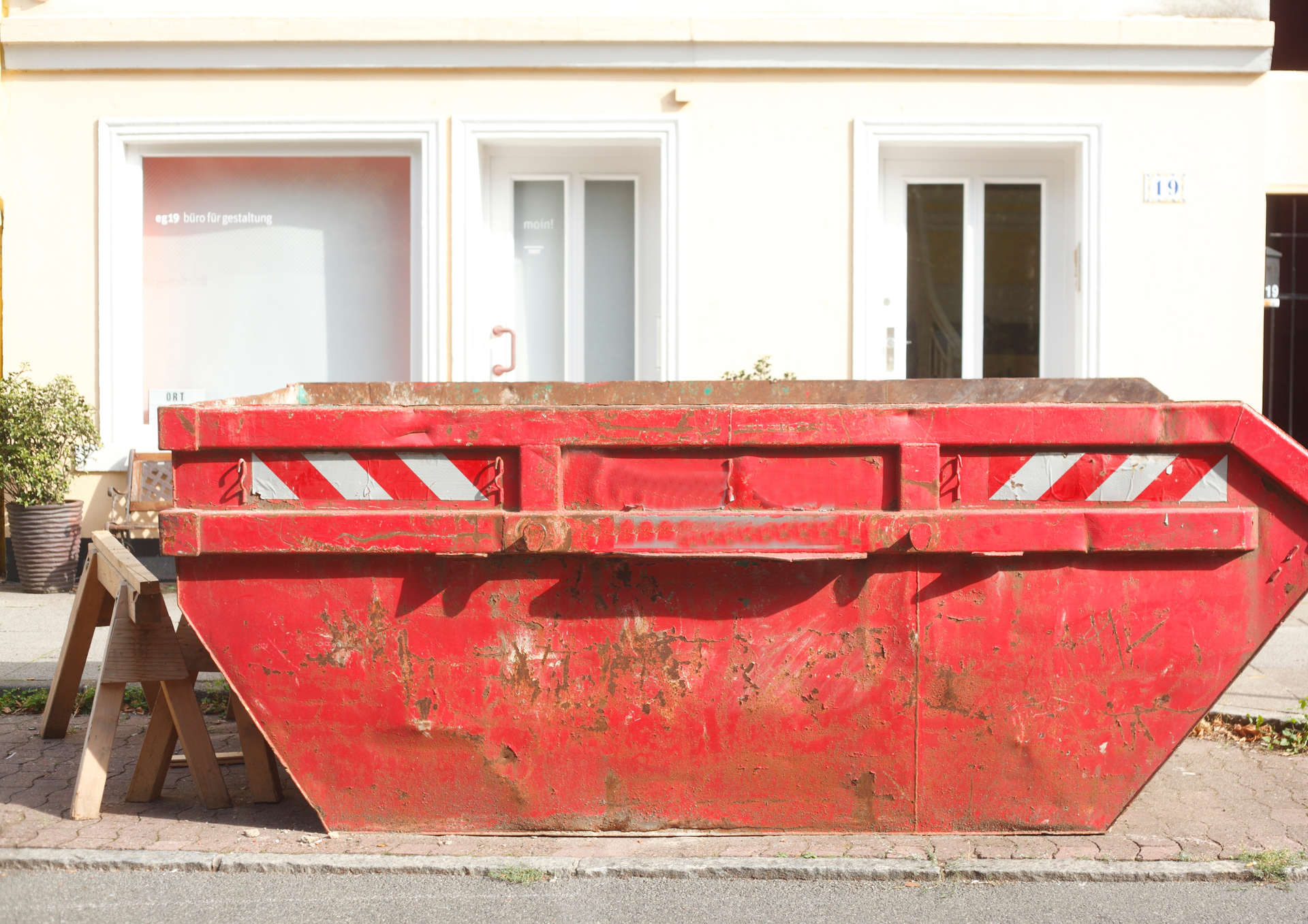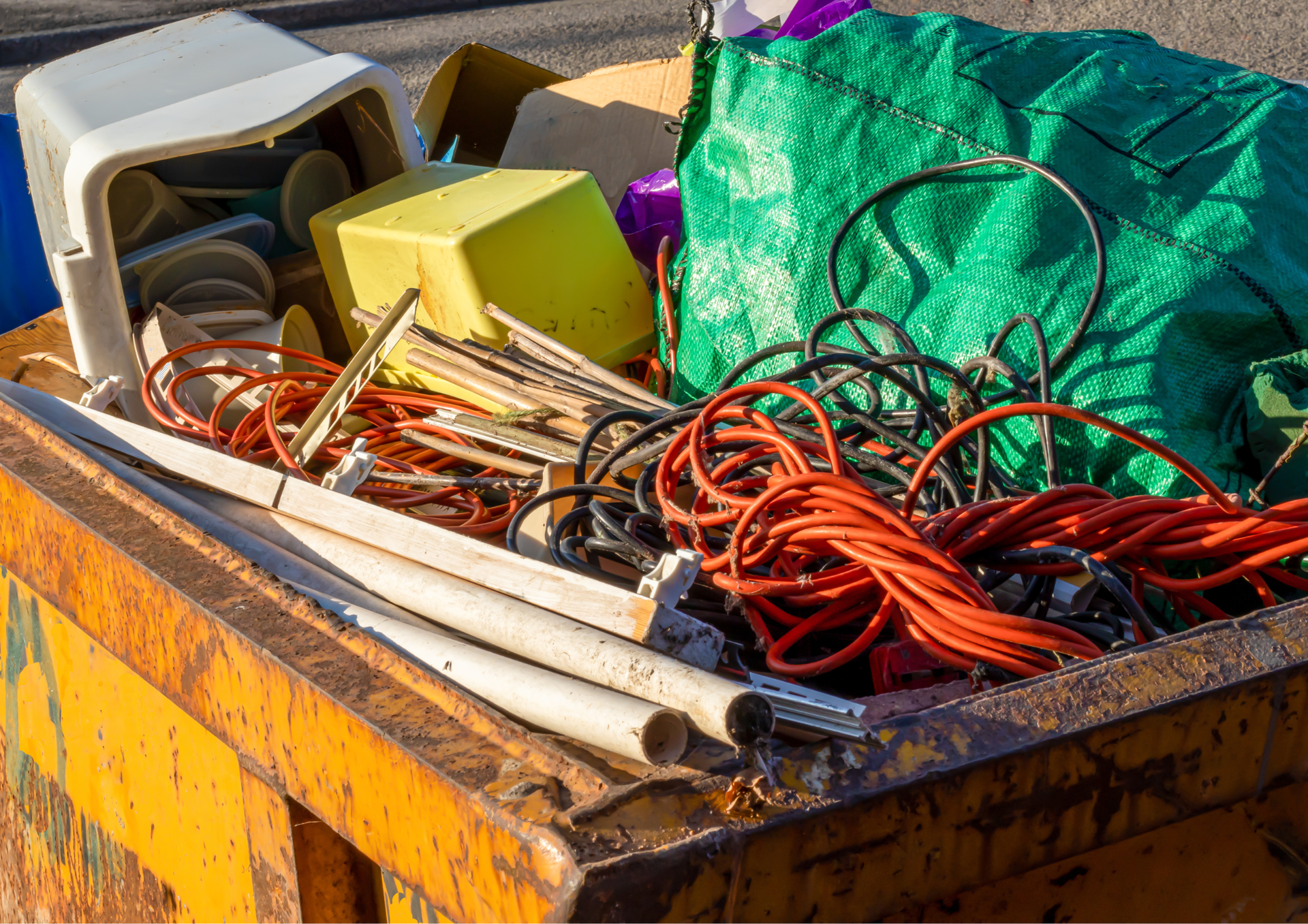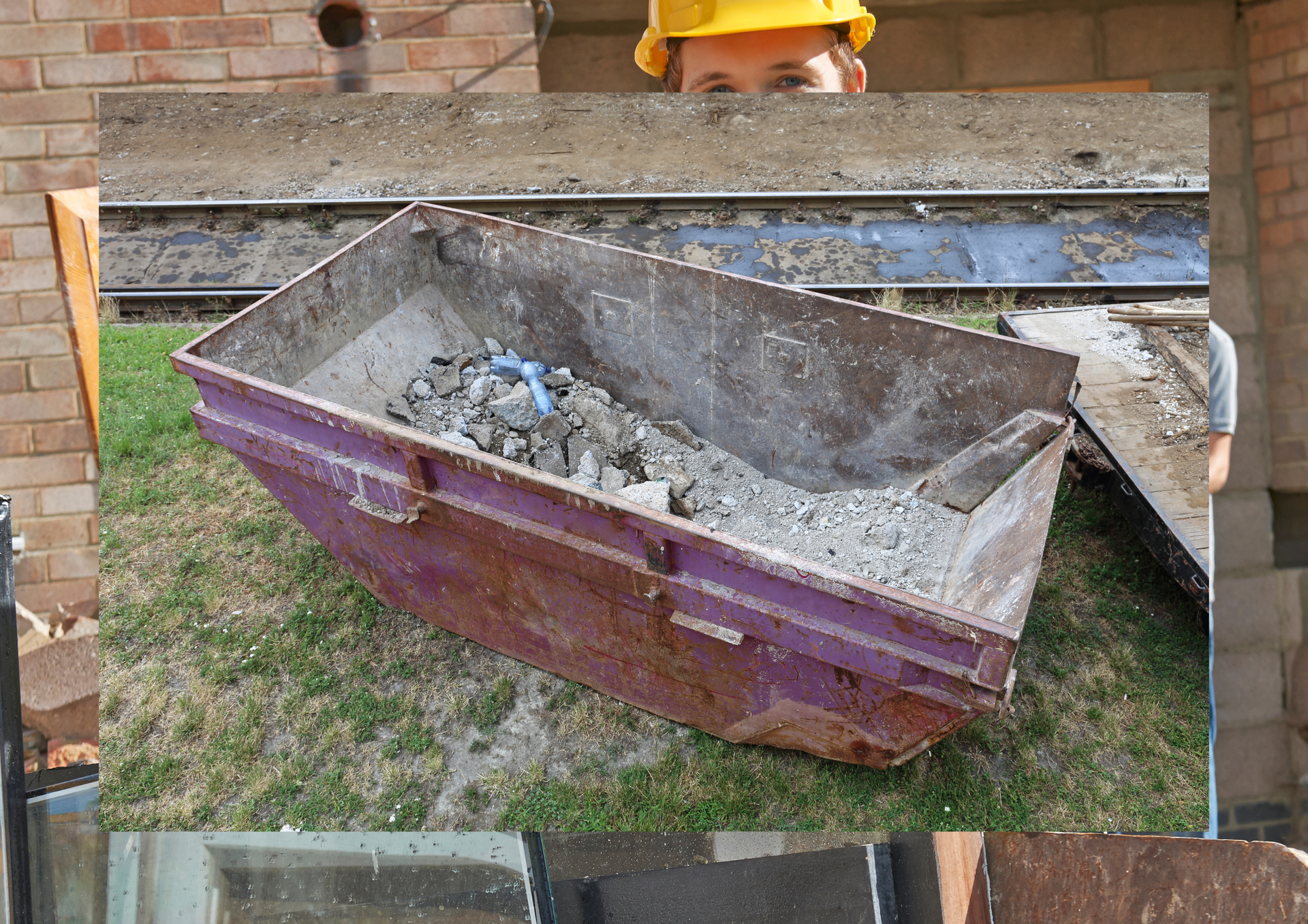

Same Day Skip Hire: Choosing the Right Service for Your Needs Today
Managing waste efficiently is an important part of any home improvement, property clearance or commercial project. When unwanted materials begin to accumulate, they can restrict access, interrupt work and make it more difficult to maintain an organised environment. Arranging same day skip hire can provide a practical solution when waste needs to be managed promptly, particularly when a project begins unexpectedly or produces more rubbish than originally anticipated.
For homeowners, landlords, surveyors, local authorities and those responsible for residential or commercial properties, choosing an appropriate waste removal service involves more than simply arranging a delivery. The size of the container, the type of waste being removed, site accessibility and the expected duration of the work all influence the arrangements required.
In Carlisle, properties range from residential homes and rental accommodation to commercial premises and larger development sites. Each setting presents different waste management requirements, making it important to consider the circumstances of the project before booking.
A small household clearance may require a compact container for a relatively short period, while a substantial renovation could involve several stages of waste removal. Understanding these differences helps customers select a service that meets their requirements without arranging unnecessary capacity or additional collections.
Reliable communication is equally important. Knowing what materials can be placed inside the container, where it can be positioned and when collection can be arranged allows customers to plan their work with greater confidence.
This guide explains when prompt delivery is useful, how to select an appropriate container, what to consider when comparing providers and how organised collection arrangements can support projects from beginning to end.
Understanding When Prompt Skip Delivery Is Most Useful
Waste removal requirements can change unexpectedly during home improvements, building work and property maintenance. Although some projects allow plenty of time for planning, others require a container at short notice to prevent unwanted materials from affecting progress.
Understanding when rapid delivery is beneficial helps customers decide whether an immediate booking is necessary or whether a scheduled service would be more appropriate.
Home Renovations and Refurbishments
- Kitchen and bathroom renovations can produce substantial quantities of old fittings, damaged materials, packaging and general building waste. Having a suitable container available helps prevent these materials from accumulating inside the property.
- Flooring replacement, decorating and internal alterations may generate waste that needs to be removed before the next stage of work can begin. Prompt delivery helps maintain accessible working areas.
- Homeowners carrying out several improvements at once should consider the total amount of waste expected rather than estimating each individual task separately.
Garden and Outdoor Improvements
- Landscaping projects often involve removing soil, vegetation, old fencing and other unwanted materials. These can occupy considerable space when left around the garden.
- Garden clearances may uncover additional waste that was not visible during the initial assessment, creating a need for additional disposal capacity.
- Providing clear access for delivery vehicles helps ensure the container can be positioned conveniently without obstructing essential routes around the property.
Rental Property and Household Clearances
- Landlords preparing a property for new occupants may need to remove unwanted furniture, damaged fittings and accumulated household waste within a limited timeframe.
- Property managers coordinating several maintenance tasks can benefit from arranging waste removal alongside other scheduled work.
- Surveyors and those responsible for property maintenance may identify additional clearance requirements following an inspection, making flexible booking arrangements particularly useful.
Commercial and Construction Projects
- Office refurbishments, shop renovations and commercial property improvements can generate considerable quantities of packaging, old fixtures and building materials.
- Construction work may require waste to be removed at different stages to maintain accessible working areas and avoid unnecessary interruptions.
- Local authorities and organisations responsible for public buildings may need to coordinate disposal arrangements around planned maintenance and operational requirements.
Considering Alternative Delivery Arrangements
- Immediate delivery is not always necessary, particularly when the project has a confirmed start date and sufficient storage space is available.
- Customers considering next day skip hire may find that scheduling delivery in advance provides greater flexibility when work is planned rather than urgent.
- Confirming availability before making arrangements helps customers establish realistic expectations and coordinate waste removal with the rest of their project.
Choosing a Reliable Provider for Your Waste Removal Requirements
Selecting a suitable waste removal company involves considering reliability, communication, availability and the practical requirements of the property. Although prompt delivery can be important, the overall service should also support the customer throughout the booking, delivery and collection process.
A provider should be able to explain the available container sizes, discuss the type of waste being removed and identify any access considerations that could affect delivery. These details are particularly important when a project is already underway and there is limited time to make alternative arrangements.
Customers searching online for same day skip hire near me often want a convenient service that can accommodate their location and project requirements. However, proximity alone does not establish whether a provider can deliver the appropriate container within the required timeframe. Confirming availability, capacity and collection arrangements before booking provides a clearer understanding of the service being offered.
Clear Communication Before Booking
Good communication begins with an accurate description of the project. Customers should explain the type of work being undertaken, the expected waste volume and any restrictions that could affect delivery.
For example, a residential property with a narrow driveway may require a different delivery arrangement from a commercial site with a dedicated loading area. Providing these details early allows the provider to assess whether the requested container can be positioned appropriately.
Customers should also establish which materials are accepted. General household waste, garden materials and construction debris may have different disposal requirements. Certain items, including electrical equipment, asbestos and hazardous materials, may require separate arrangements and should not be placed inside a container without confirmation.Understanding these restrictions before delivery helps avoid complications during collection.
Understanding Availability and Delivery Times
Availability can vary depending on the requested container size, delivery location, existing bookings and the time an enquiry is received.Customers should therefore confirm the proposed delivery arrangements rather than assuming that every container size will be available immediately.
Where a project has a strict schedule, providing an accurate delivery address and preferred placement location helps the provider assess the practical arrangements.
It is also useful to establish whether someone needs to be present when the container arrives. Some deliveries may require access to a locked entrance, private driveway or commercial compound.Clear arrangements reduce the likelihood of unsuccessful delivery attempts and unnecessary disruption.
Comparing the Overall Service
The lowest quotation does not automatically represent the most suitable option, just as a higher price does not necessarily indicate a better service.A more useful approach is to compare what each quotation includes. Customers should consider the container capacity, hire duration, delivery arrangements, collection procedures and any additional charges that may apply.
For projects involving substantial quantities of waste, it is also important to understand any restrictions relating to weight or specific materials.
A clear quotation allows customers to assess the service against their requirements rather than making a decision based solely on the initial figure.
Responsible Waste Handling
Waste management continues after the container has been collected. The materials must be transported and processed through appropriate disposal or recovery arrangements.Customers can ask providers how waste is handled and whether recyclable materials are separated where practical.
Responsible disposal is particularly relevant to larger renovation and commercial projects, where significant quantities of timber, metal, cardboard and other materials may be produced.
Choosing a provider that communicates its waste handling procedures clearly helps customers understand what happens to unwanted materials after collection.
Selecting the Right Skip Size for Different Projects
Choosing an appropriate container is an important part of arranging same day skip hire. The correct size depends on the expected waste volume, the type of materials being removed and the available space at the property.
A container that is too small may require an additional booking, while one that is unnecessarily large could occupy valuable space and increase the overall expense.Considering the following categories can help customers make a more informed decision.
Small Household Clearances
- A 2-yard skip may be suitable for modest household clearances, small garden tidy-ups and limited quantities of general waste.
- A 4-yard skip can accommodate larger domestic clearances and some smaller renovation projects, depending on the materials involved.
- Customers should consider the actual volume of waste rather than relying entirely on the number of rooms being cleared.
Kitchen and Bathroom Renovations
- Removing kitchen units, bathroom fittings, flooring and other materials can generate substantial quantities of waste.
- A 4-yard or 6-yard skip may be appropriate for some smaller refurbishment projects, although the required capacity will depend on the extent of the work.
- Heavy materials should be discussed with the provider before booking because weight restrictions may affect the suitability of larger containers.
Larger Home Improvements
- Extensions, substantial refurbishments and whole-property clearances often produce waste over several stages.
- A 6-yard or 8-yard skip may provide suitable capacity for certain larger domestic projects, depending on the type and quantity of materials.
- Planning waste removal around different stages of the work can help prevent containers from becoming full before the project is complete.
Commercial Property Improvements
- Office clearances, retail refurbishments and commercial renovations may require larger containers to accommodate bulky fixtures, packaging and general waste.
- A 10-yard or 12-yard skip may be suitable for some projects involving substantial volumes of lighter materials.
- Customers should confirm any weight restrictions and material limitations before selecting a larger container.
Site Accessibility and Placement
- Measure the available space before booking and consider whether the delivery vehicle can access the proposed location.
- Check for narrow entrances, overhead obstructions, parked vehicles and other features that could restrict delivery or collection.
- If the container needs to be positioned on a public road, establish whether permission from the relevant local authority is required.
Seeking Professional Guidance
- Explain the nature of the project and provide an estimate of the expected waste volume when requesting a quotation.
- Ask whether the proposed container is suitable for the materials being removed, particularly when disposing of heavy building debris.
- Confirm the available hire period and collection arrangements so the selected container remains suitable throughout the project.
Planning Collection and Maintaining an Organised Work Area
Arranging delivery is only one part of effective waste management. Collection arrangements should also be considered before the container arrives, particularly when a project involves several stages of work or must be completed within a specific timeframe.
An organised approach helps prevent waste from accumulating unnecessarily and ensures the container can be removed when it is no longer required.
For homeowners carrying out smaller improvements, collection may be arranged once the work has been completed. Larger renovation and commercial projects may require a more flexible approach, especially when waste continues to be produced over several days or weeks.
Customers who need a same day skip collection should confirm whether prompt removal is available for their location and container size. Collection schedules can depend on existing bookings, vehicle availability, access conditions and the time the request is received. Providing advance notice wherever possible can make arrangements easier.
Establishing a Suitable Collection Schedule
Before booking, customers should estimate how long the project is expected to take and when the container is likely to be full.A small household clearance may be completed within a day, while a kitchen renovation or larger refurbishment could require the container for a longer period.It is useful to discuss the expected hire duration with the provider and establish how collection dates can be arranged or changed.
Where a project is likely to produce waste continuously, customers may need to consider whether a single container will provide sufficient capacity throughout the work.Planning these arrangements early helps reduce interruptions and avoids leaving unwanted materials on site for longer than necessary.
Keeping Waste Within the Container
Waste should be placed inside the container carefully to make effective use of the available capacity.Bulky materials can occupy unnecessary space when loaded without consideration, while uneven loading may make the container more difficult to collect.
Customers should follow the provider's guidance regarding maximum fill levels and avoid allowing materials to extend above the permitted loading height.
Overfilled containers may not be suitable for transportation, potentially requiring waste to be removed before collection can proceed.
It is also important to keep access routes clear and avoid placing additional materials around the outside of the container.
Managing Different Waste Materials
Some projects produce several types of waste that may require different handling arrangements.For example, a property refurbishment could involve timber, metal, plasterboard, packaging and general household materials.
Customers should confirm whether these materials can be placed together or whether separate disposal arrangements are necessary.Where practical, separating recyclable materials can support more efficient waste processing.
Particular care should be taken with restricted or hazardous materials, which may require specialist collection rather than disposal through an ordinary container.
Preparing the Site for Collection
Before the agreed collection date, customers should ensure the container is accessible and that no vehicles, equipment or stored materials obstruct the delivery vehicle's route.If the container is positioned within a commercial compound or behind a locked entrance, suitable access arrangements should be made in advance.
Customers should also check that the waste remains within the permitted fill level and that no prohibited materials have been added.Where collection arrangements change, informing the provider as early as possible helps reduce unnecessary disruption.
A well-organised collection process allows the property or working area to be cleared efficiently, leaving customers better prepared for the next stage of their project.
Skip Hire Carlisle provides a practical way for homeowners, landlords, surveyors, local authorities and those responsible for residential or commercial properties to arrange suitable waste removal services across Carlisle and the surrounding areas.
We understand that different projects require different arrangements. A small household clearance may need a compact container for a short period, while a larger renovation or commercial refurbishment could involve substantial quantities of waste and more detailed collection planning.
Our approach focuses on understanding the customer's requirements, providing straightforward guidance and helping arrange appropriate delivery and collection services.
Whether you need a same day skip hire for an unexpected clearance or a planned container delivery for an upcoming improvement project, we aim to make the booking process clear and manageable.
We recognise the importance of site accessibility, suitable container selection and responsible waste handling. Discussing these considerations before delivery helps customers make informed decisions about their requirements.
If you are planning a property clearance, home renovation, garden improvement or commercial project, contact us to discuss the type of waste you need to remove, your preferred delivery arrangements and the most suitable container for your property.
Check out our latest X update on choosing the right
same day skip hire service to meet your waste disposal needs!
You might also like