
Skip Hire Prices for Soil, Hardcore, and Rubble Removal Jobs
Heavy waste materials such as soil, rubble, concrete, bricks, and hardcore can accumulate quickly during landscaping, renovation, demolition, and construction projects across residential and commercial properties.
For homeowners, landlords, surveyors, and local authorities, choosing suitable waste removal solutions helps maintain cleaner, safer, and more organised working environments while reducing disruption throughout the project.
Understanding skip sizes, loading limits, and the safe disposal of heavy materials also helps customers compare practical waste management options when researching skip hire prices for both domestic and commercial clearance work.
Understanding Heavy Waste Disposal Requirements
Heavy waste materials such as soil, concrete, hardcore, bricks, gravel, paving slabs, and rubble differ significantly from standard household waste due to their weight and density. Projects involving landscaping, excavation, driveway removal, roofing work, and structural alterations can generate large amounts of heavy debris that require careful handling and organised disposal solutions.
Because dense materials place additional strain on transport and collection systems, skip hire prices may vary depending on the type of waste, skip size, and loading requirements involved in the project. Heavy waste disposal is commonly required during residential and commercial renovation, demolition, construction, and redevelopment projects.
Garden landscaping, patio removal, wall demolition, property refurbishment, and general construction work can all create substantial amounts of rubble and hardcore waste that benefit from structured waste management planning. Proper preparation helps maintain cleaner project environments, improve site access, reduce clutter, and support safer working conditions throughout the project.
Many customers searching for the cheapest skip hire near me are often looking for practical waste solutions that suit the scale and requirements of their work rather than simply choosing the largest skip available.
Choosing Suitable Skip Sizes for Soil and Rubble
Selecting the correct skip size helps improve waste management efficiency while reducing unnecessary collection complications during construction, renovation, and landscaping projects. Different types of work generate varying amounts of heavy material, making careful planning important before arranging delivery.
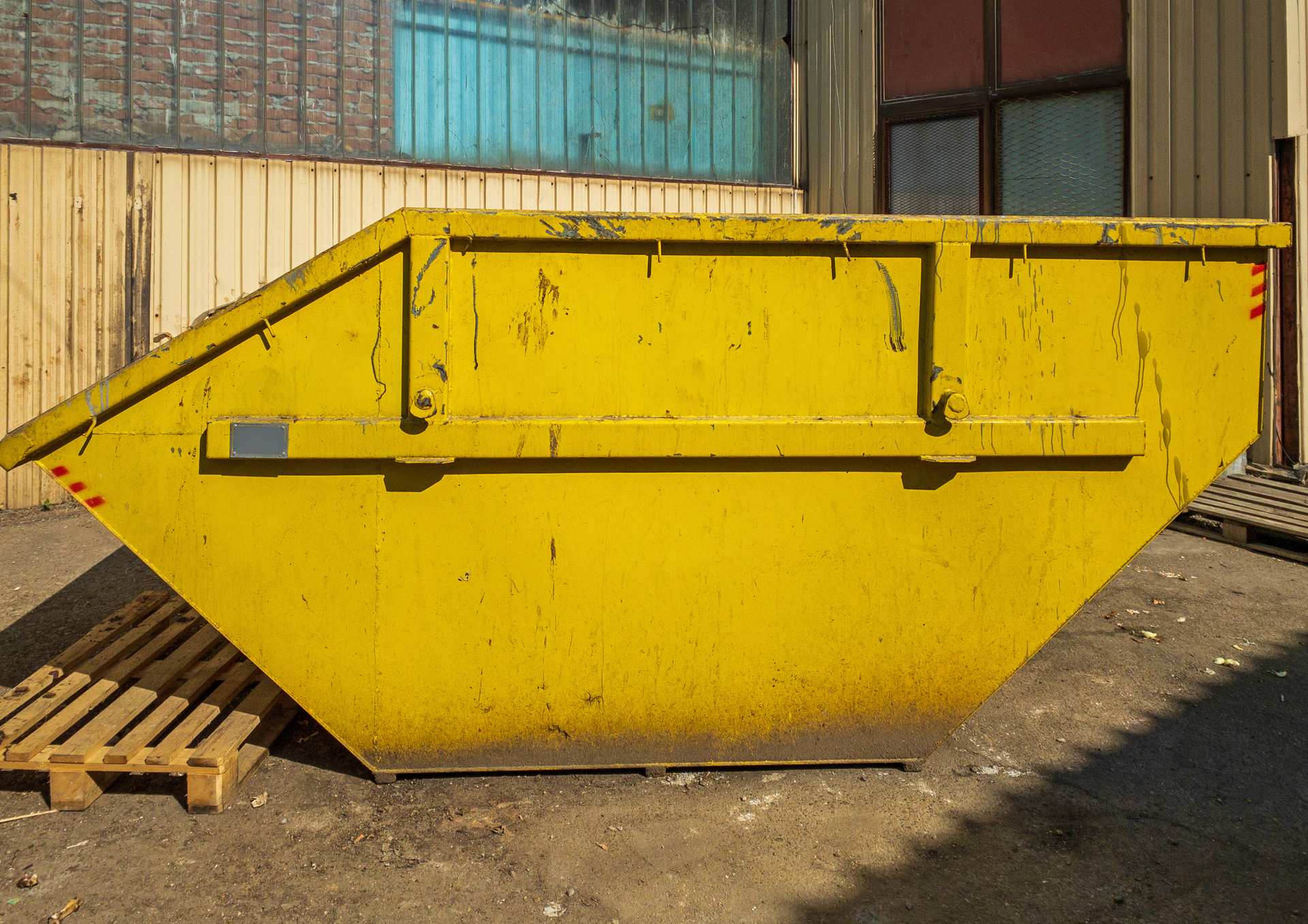
Smaller skips are often preferred for dense waste such as soil, rubble, bricks, hardcore, concrete, turf, and excavation materials because they are easier to transport safely once loaded. Mini and midi skips are commonly used for garden redesigns, paving removal, pathway replacement, smaller demolition work, and minor commercial refurbishment projects where controlled loading is essential.
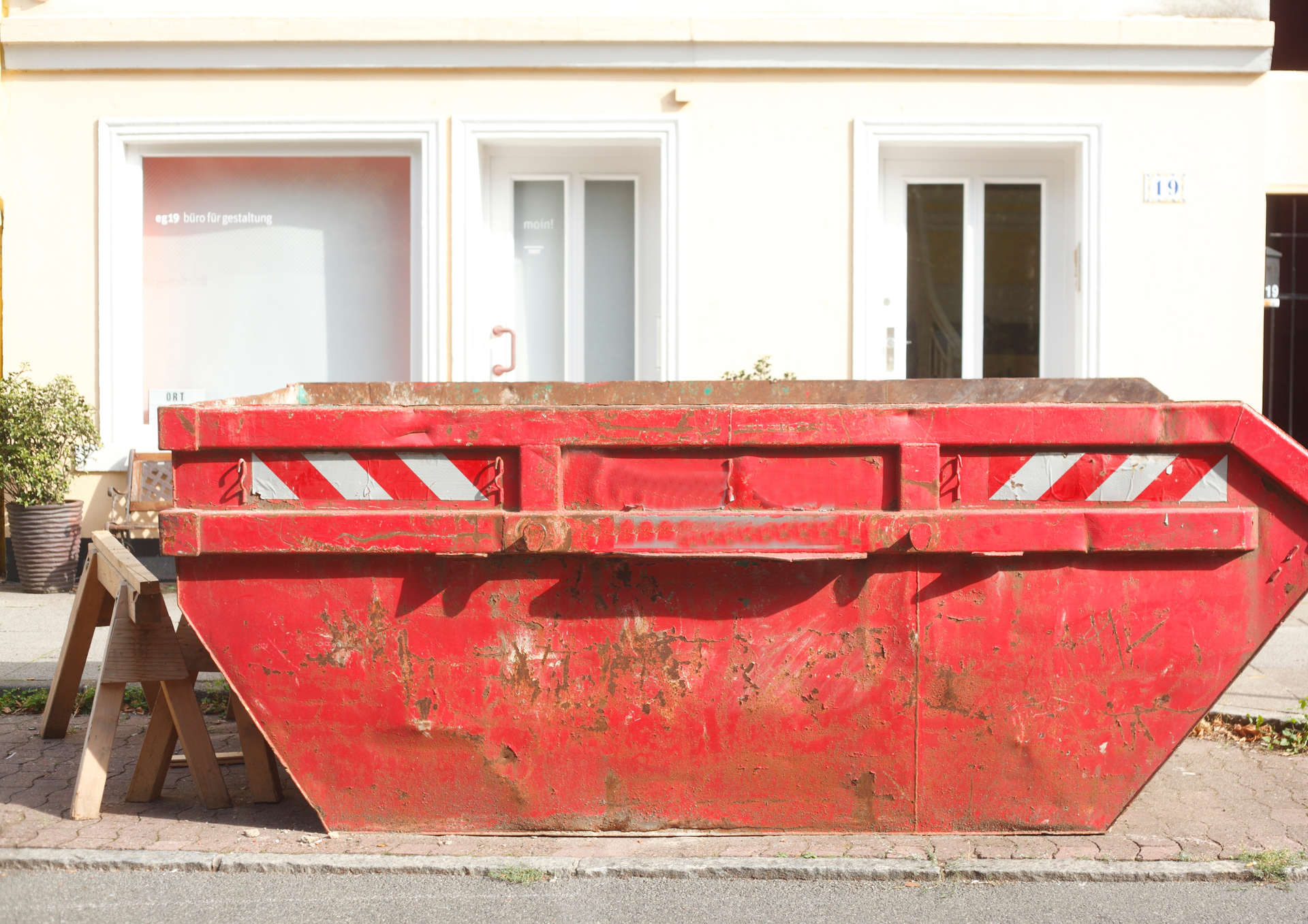
Larger skips may still be suitable for lighter mixed waste generated during wider property clearance or construction projects, although heavy materials often require partial loading to remain within transport weight guidelines. Site access also plays an important role when arranging skip placement, as narrow roads, restricted parking areas, and limited driveways may affect delivery options.
Proper loading practices, including evenly distributing heavy materials across the base of the skip, help support safer transport and more efficient collection. Customers planning groundwork or building projects often compare skip sizes and prices to find practical waste solutions that balance capacity, accessibility, and transport suitability.
Safe and Responsible Waste Management Practices
Waste management plays an important role in maintaining safe and organised residential and commercial working environments during construction, renovation, and landscaping projects. Accumulated rubble, loose bricks, broken concrete, and excavated soil can create trip hazards and obstruct access routes if not managed properly.
Organised skip placement helps create designated waste areas that support cleaner and more controlled project spaces, particularly during work involving multiple trades or ongoing structural activity. Heavy waste should also remain below the skip’s fill line, as overloading can create transport difficulties and delay collection arrangements.
Certain materials, including plasterboard, tyres, liquids, hazardous waste, chemicals, and electrical equipment, may require separate disposal procedures depending on local regulations. Good waste management planning helps maintain cleaner environments, improve pedestrian and vehicle access, reduce disruption during construction work, and support smoother day-to-day operations across residential and commercial properties.
Keeping driveways, pathways, and working areas free from hazardous debris also contributes to safer and more efficient project management. Many customers choose to rent a skip because it provides a practical centralised location for waste collection while helping maintain more organised and manageable workspaces throughout the project.
Practical Waste Solutions for Residential and Commercial Projects
Skip hire supports a wide range of construction, landscaping, renovation, demolition, and property maintenance projects across residential and commercial properties. Homeowners often use skips during garden redesigns, driveway replacement, home extensions, and internal refurbishment work, while landlords may require organised waste removal during tenancy clearances, maintenance upgrades, and property renovations.
Surveyors and local authorities may also rely on structured waste management solutions during redevelopment projects, inspections, environmental maintenance, and infrastructure improvement work. Heavy waste materials generated during these projects require dependable handling systems that help maintain cleaner, safer, and more organised working environments.
Commercial projects can generate substantial amounts of rubble, plaster, flooring materials, concrete, bricks, hardcore, excavation waste, and general construction debris during refurbishment and redevelopment work. Careful waste planning helps improve collection accessibility, reduce disruption, and maintain operational efficiency throughout the project.
Arranging skip delivery before demolition or groundwork begins can also support progressive waste removal and improve site access for workers, vehicles, and equipment. Customers researching skip bin hire cheapest price options are often looking for practical and straightforward waste disposal services that help keep projects organised without unnecessary delays or complications.
Customers choose
Skip Hire Carlisle
because we focus on providing clear, practical, and professional information about
skip hire prices and waste management solutions. Our website is designed to help homeowners, landlords, surveyors, and local authorities better understand skip sizes, heavy waste disposal, and general project waste planning without unnecessary complications.
We aim to provide straightforward guidance that supports residential and commercial property projects of different sizes. From soil and rubble disposal to general construction waste management, our website offers helpful information presented in a professional and easy-to-understand format tailored for British audiences.
Latest Post on X:
Skip hire prices explained for rubble and hardcore removal.
You might also like