
The Pros and Cons of Hiring Waste Containers for Your Project
Managing waste efficiently is an important consideration for projects of all sizes, from home renovations to large commercial clear-outs. Skips are widely used because they offer a structured way to collect and remove waste safely, but they may not be the ideal solution in every situation. Understanding both the benefits and limitations helps ensure the chosen approach aligns with project needs, access conditions, and timescales.
Advantages of Using Waste Containers
Hiring a dedicated waste container offers practical advantages for projects where waste is generated continuously. It helps maintain order, safety, and efficiency throughout the work.
- Waste can be disposed of as work progresses, keeping sites tidy and reducing repeated trips to disposal facilities.
- This is particularly valuable on construction sites or during large-scale clear-outs where waste builds up quickly.
- For those planning to
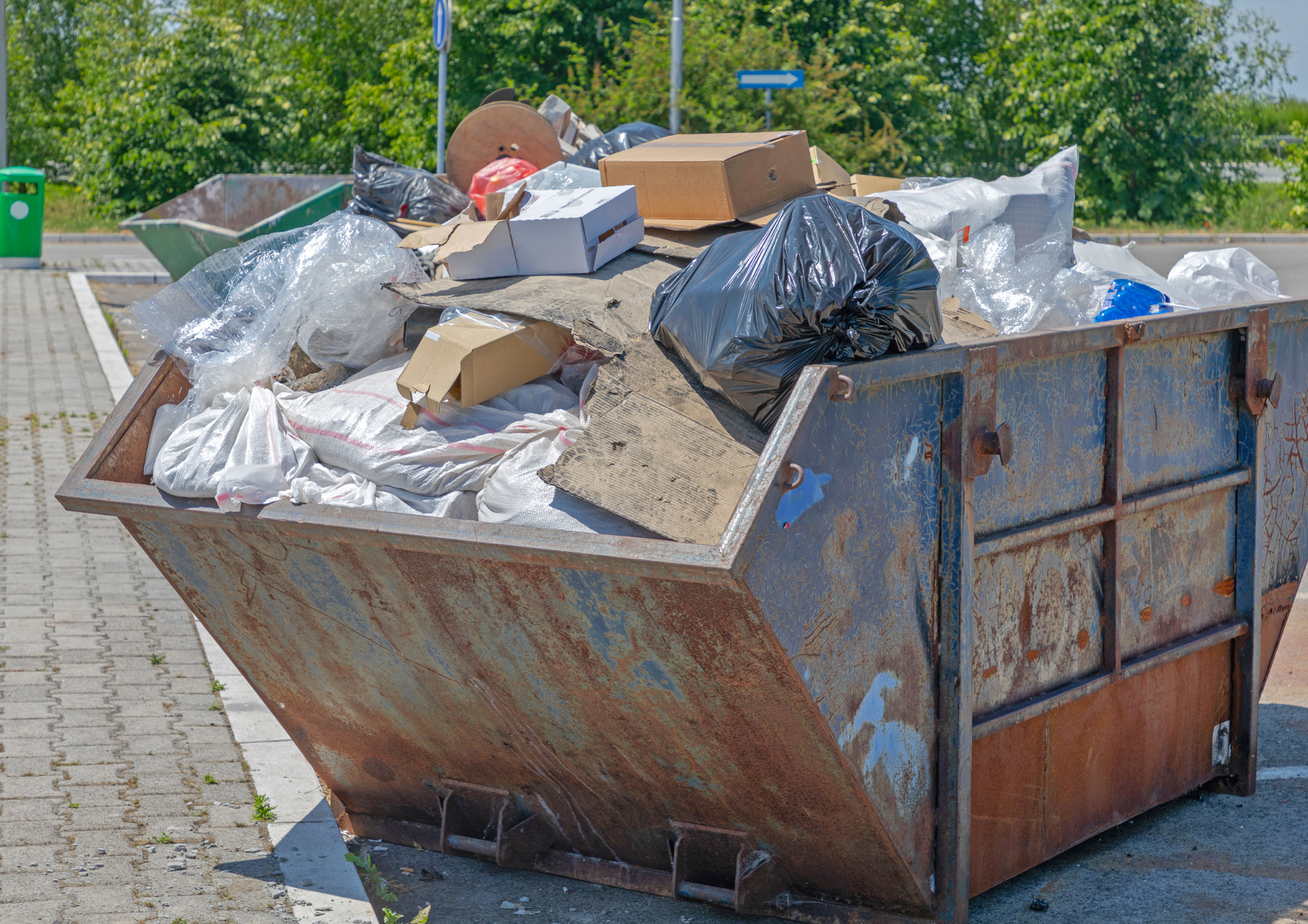
rent a skip, having a dedicated container on site reduces loose debris and minimises trip hazards.
- Waste is collected and taken to licensed facilities for appropriate processing, recycling, or disposal, supporting compliance and responsible handling.
Limitations to Consider
Despite their benefits, waste containers are not suitable for every setting. Space restrictions, access challenges, and surface protection requirements may limit placement options, especially in narrow residential streets or shared access areas.
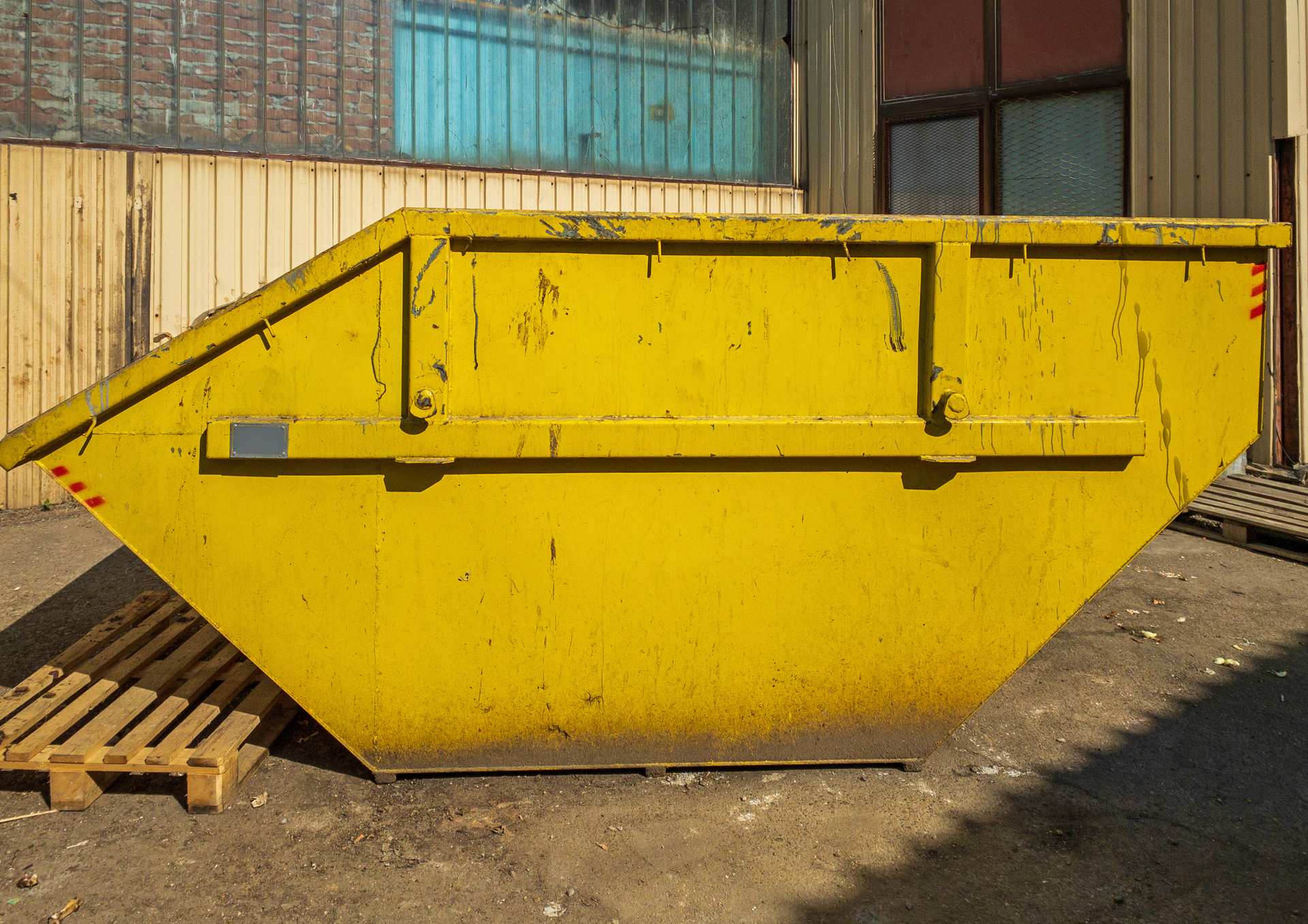
Larger containers, such as an 8 yard skip, require sufficient space for delivery and safe loading. In some cases, alternative solutions may be more practical if access is severely restricted or waste volumes are relatively low.
Choosing the Right Size for Your Needs
Choosing the right skip capacity is essential for keeping your project efficient and cost-effective. The size you select affects access, waste volume handling, and how smoothly the job runs from start to finish.
- Smaller sizes are ideal for household projects where space is limited and waste volumes are manageable.
- 6 yard skip
- Commonly used for domestic renovations and garden clearances
- Suitable for properties with restricted access
- Offers enough capacity for typical household waste without taking up excessive space
- 12 yard skip
- Better suited for larger clear-outs or commercial projects
- Requires fewer collections due to higher waste capacity
- Helps keep projects running efficiently and on schedule
Balancing Practicality and Project Planning
The suitability of waste containers often comes down to careful planning. Access, duration, waste type, and volume all influence whether this option provides value and efficiency. When these factors are assessed early, projects are more likely to benefit from smoother operations and fewer interruptions.
From a broader perspective, skips also support environmental responsibility by enabling waste to be consolidated and processed correctly. However, they require thoughtful placement and management to avoid inconvenience or non-compliance, particularly in sensitive or busy locations.
Hiring waste containers offers clear advantages in terms of convenience, safety, and structured waste management, but it is not without limitations. By understanding the pros and cons and selecting the right size and placement,
skips can be an effective solution for a wide range of projects. Careful planning ensures waste is handled responsibly while supporting efficient and compliant project delivery.
Skip Hire Carlisle is designed to make waste management clear, reliable, and straightforward. Our platform connects customers with trusted providers who prioritise compliance, recycling, and clear communication. Whether you are managing a home renovation or coordinating a commercial project, we help you access dependable solutions that support responsible waste handling without unnecessary complexity.
New update on X: The pros and cons of hiring
skips for your project!
You might also like